

Death by Rain
the clinical aftermath of the rainiest day in UAE history

The Flying Menace
When I wrote my 3-part series on dengue fever last year, some peers of mine said that it was not really a big concern for them. The UAE was a dry and arid place, making it almost impossible for any mosquitoes to find, survive, and breed in stagnant still water pools.
Everything changed on April 16.
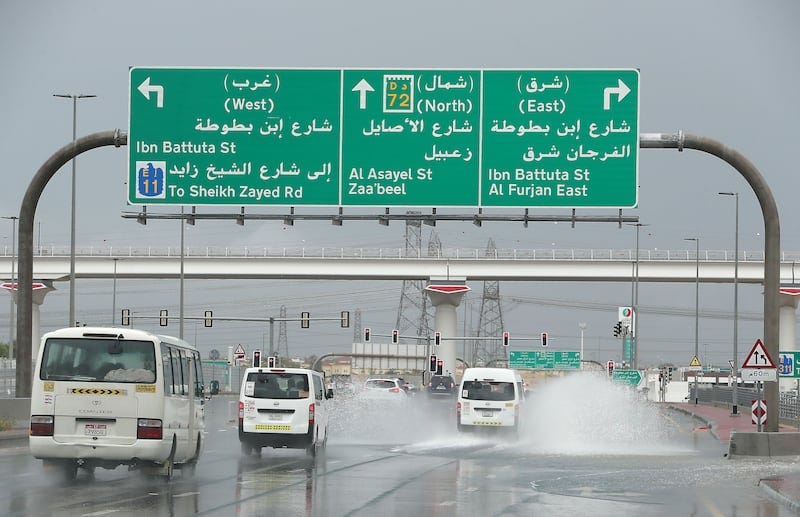
The UAE experienced the largest single day of rainfall. Places like Al Ain had 254mm of rainfall, equivalent to two years' worth of rainfall in the whole country. Whole homes were flooded, the number of waterfront properties quintupled, and everywhere you looked, there was a breeding place for mosquitoes. The temperature had decreased, much to our initial delight, but this meant the UAE was now a prime mosquito breeding site.
Attack of the Mosquitos
In a matter of days, mosquitoes went from being almost absent to being omnipresent. Being in a garden for a short time meant that all exposed areas were covered in mosquito bites.
Hospitals in the UAE reported increased cases of dengue fever, though they still remain rare. This was likely because many cases go unreported, with symptoms of high fever, severe headache, joint and muscle pain, and a rash, which can be confused for normal fevers and pains. It is only when someone has dengue haemorrhagic fever in severe cases that it tends to get reported.
In fact, the WHO has reported a historic high of 6.5 million clinical cases of dengue in 2023 but still supports models stating that every year there are 390 million cases of dengue per year, with many going undiagnosed.
If you had a high fever or any of the other symptoms stated above, you likely had dengue, even if you were not diagnosed. It, like most dengue cases, subsided without clinical intervention.

The Revenge of the Sapiens
The response was swift and immediate, in some areas. Large puddles of stagnant water were neutralised by large pumping trucks within days. Over 500 volunteers were mobilised to clean up the debris and trash swept onto the streets because of the flood.
For the mosquito problem specifically, the Ministry of Health and Prevention got rid of more than 500 breeding sites. Along with that, through government and private partners, thermal fogging and traps have been used to eliminate live mosquitoes.
It did also help that the temperature skyrocketed once the clouds cleared, and the population of dragonflies, the natural predators of mosquitoes, increased.
Overall, through human measures and natural changes, the population of mosquitoes has decreased, and for now in the summer, the risk is lower.

Thats is for this week.
I am finally back after finishing my final examinations, and now will be regularly posting.
Till next time, ciao
sources:
https://www.khaleejtimes.com/uae/uae-eliminates-over-400-mosquito-sites-in-anti-dengue-campaign
https://www.thenationalnews.com/news/uae/2024/05/04/uae-steps-up-anti-mosquito-measures-to-limit-spread-of-disease/
https://www.who.int/news-room/fact-sheets/detail/dengue-and-severe-dengue