

Estrogenics
the unknown poison

Estrogenics are chemicals that mimic or disrupt the hormone estrogen in the body. They are found in various common products, such as plastics, food additives, and personal care products. Higher amounts of this enzyme mean that more of your testosterone will get converted into estrogen, which both lowers testosterone levels and increases estradiol levels.
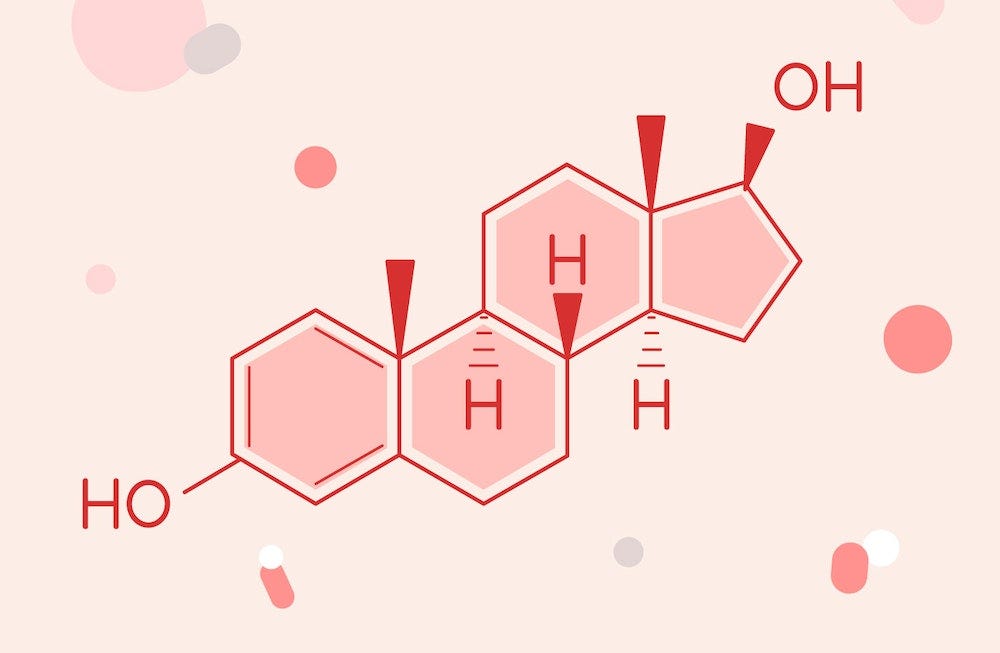
While estrogen is important for many bodily functions, exposure to excess estrogenics can be dangerous. Here are a few points to include in an article on the dangers of estrogenics:
Hormone disruption: Estrogenics can disrupt the delicate balance of hormones in the body, leading to a variety of health problems. For example, they can interfere with the production, release, and metabolism of estrogen, testosterone, and other hormones.
Cancer risk: Exposure to estrogenics has been linked to an increased risk of breast, ovarian, and prostate cancer. This is because excess estrogen can stimulate the growth of cancer cells in these tissues.
Reproductive problems: Estrogenics can also interfere with fertility and reproduction. For example, they can disrupt the menstrual cycle, reduce sperm count and motility, and increase the risk of miscarriage and birth defects.
Developmental issues: Exposure to estrogenics during fetal development and early childhood can have long-lasting effects on physical and mental development. For example, it has been linked to lower IQ, behavioural problems, and developmental delays.
Environmental impact: Estrogenics can also have a negative impact on the environment. They can disrupt the reproductive systems of fish and other aquatic animals, leading to population declines and ecological imbalances.

Estrogenics are chemicals that can mimic or disrupt the hormone estrogen in the body. They can be found in a variety of sources, including:
Plastics: Many plastics contain estrogenic chemicals, such as bisphenol A (BPA) and phthalates. These chemicals can leach out of the plastic and into food or drinks, especially when the plastic is heated or exposed to acidic substances.
Personal care products: Some personal care products, such as shampoos, lotions, and cosmetics, contain estrogenic chemicals like parabens and triclosan. These chemicals can be absorbed through the skin and into the body.
Food additives: Some food additives, such as food dyes and preservatives, can also have estrogenic properties. These additives are often used in processed and packaged foods.
Pesticides: Some pesticides contain estrogenic chemicals, such as atrazine and DDT. These chemicals can contaminate water and soil, and may be found on conventionally grown fruits and vegetables.
Hormone therapy: Hormone therapy, which is sometimes used to treat menopause symptoms or other hormonal imbalances, can also introduce excess estrogen into the body. This can be a source of estrogenics for some people.
Industrial chemicals: Some industrial chemicals, such as PCBs and dioxins, can also have estrogenic properties. These chemicals can be found in air, water, and soil, and can enter the food chain through contaminated plants and animals.

Overall, estrogenics are dangerous to our health and while they are present everywhere, we should be careful and try to ensure we are not exposed to too much.
till next week, adios
great stuff