

Skipping the Scalpel
Immunotherapy Offers Hope for Early-Stage Cancer Patients

Immunotherapy is one of the most promising frontiers of cancer treatment, wherein the bodies own defences are activated to attack cancer. Recently, there has been a significant breakthrough in treatment, wherein using only immunotherapy has been able to treat a cancer that would otherwise have required intense chemo & radiotherapy, along with a destructive surgery.
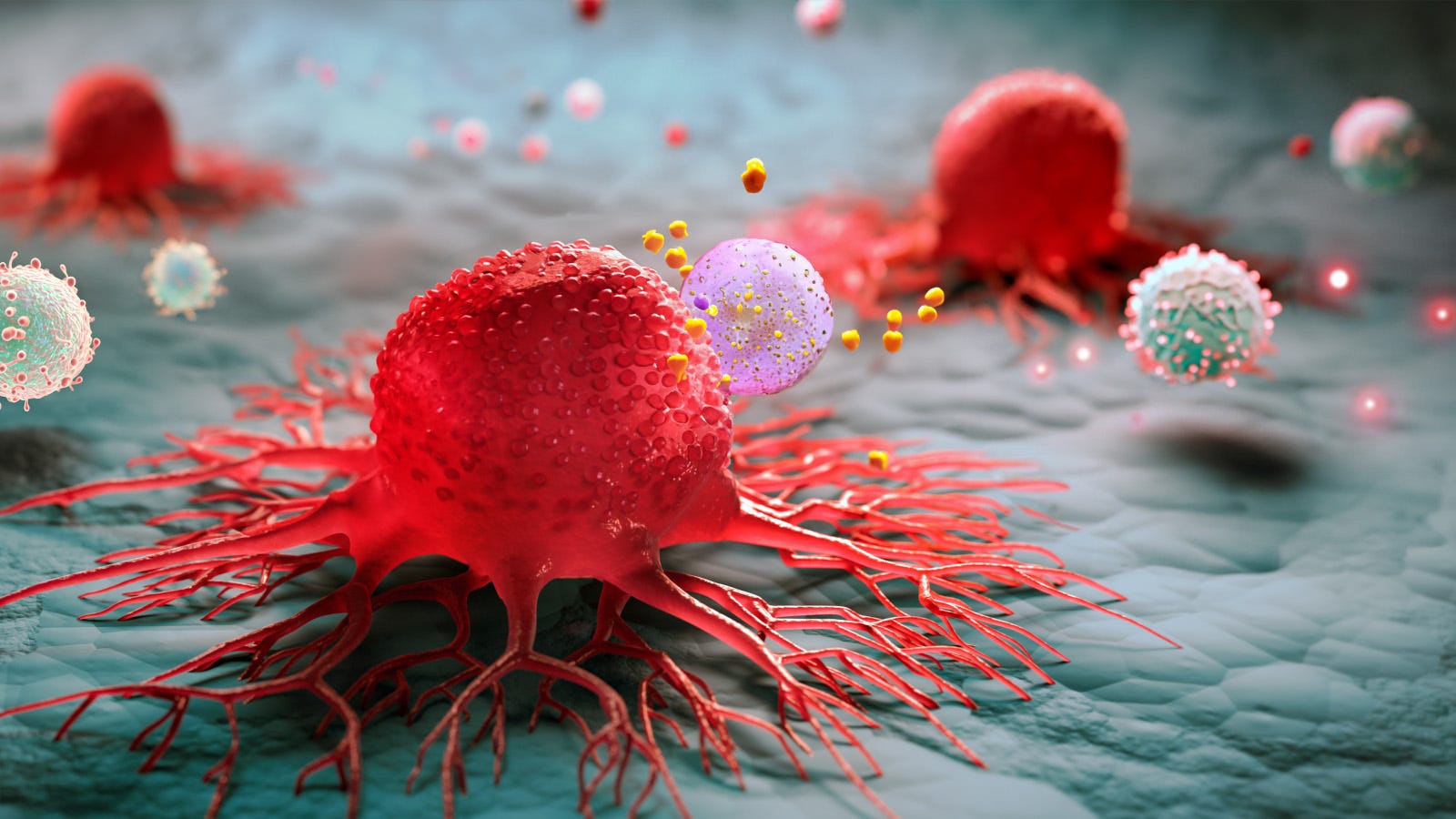
Two recent Memorial Sloan Kettering (MSK) cancer centre trial investigated the use of immunotherapy targeted towards cancers with MMRd (mismatch repair-deficient) mutation in tumours. All 103 patients had Stage I-III cancers, meaning they were all solid tumours and had not metastasised. Of the 103, 49 had rectal cancer and 54 had other solid tumours from colon, oesophageal, urothelial and other cancers. All these patients were treated with emperli (dostarlimab) — a checkpoint inhibitor immunotherapy.
Overall, 80% of the patients avoided surgery, chemo and radiation therapy, with 100% of the rectal cancer group getting a complete response with only chemotherapy. Of those with non-rectal cancers, nearly two-thirds had complete clinical response, and the remaining has tumours shrink or cancer staging reduced even when surgery was later needed. Their outcomes were not worsened by avoiding surgery.
These were in part developed as the standard treatment for some cancers can severely affect quality of life.
“Using the standard-of-care treatment of surgery, radiation, and chemotherapy to treat rectal cancer is effective,” explains Dr. Cercek, the gastrointestinal medical oncologist who led one of the 2 trials. “But the treatments can leave people infertile and severely affect bowel, urinary, and sexual functions as well as other aspects of daily life.” Some people also need a lifelong ostomy — a bag outside the body for collecting waste.

The treatment is effective because it targets a specific genetic vulnerability in certain tumours — a mutation known as MMRd (mismatch repair-deficient). This mutation prevents cancer cells from fixing DNA damage, leading to a high number of genetic errors. These errors make the cells appear more abnormal, which should attract the attention of the immune system.
However, cancer cells often use special proteins — called immune checkpoints — to avoid detection. These act like "off switches," signalling immune cells not to attack. The drug Jemperli (dostarlimab) blocks these signals, effectively releasing the immune system’s natural restraint. This allows immune cells to recognise and destroy the tumour cells. In tumours with MMRd, this effect is especially powerful because the cells already appear highly abnormal and are easier for the immune system to identify once those "invisibility cloaks" are removed.
What’s remarkable is how effective this was across multiple cancer types, not just rectal cancer, where it was first tested. Even in cancers like stomach, oesophageal, and colon, a large number of patients had complete responses with no surgery, radiation, or chemo needed. It’s not just about killing the cancer either — it’s about doing it in a way that preserves quality of life, avoiding permanent damage to fertility, organ function, and daily well-being.
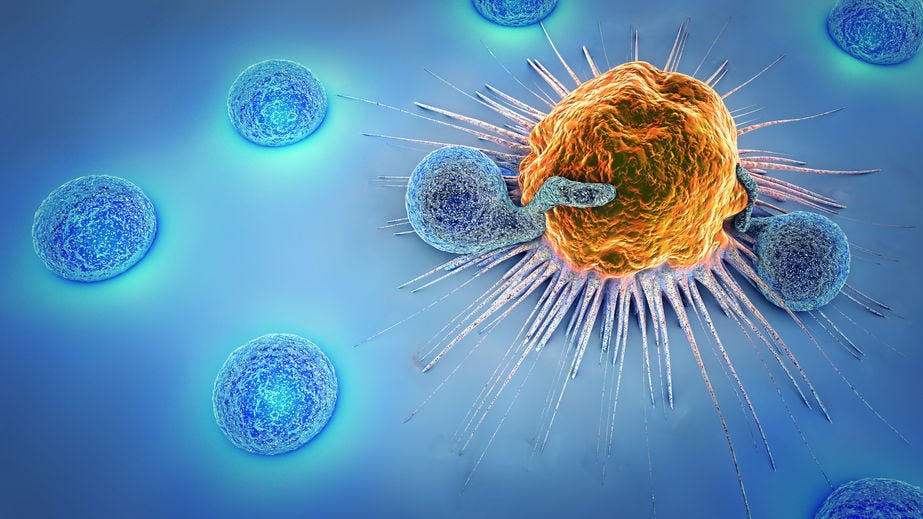
This clinical breakthrough has already influenced global treatment guidelines. Many doctors around the world are now adopting this immunotherapy-first approach for eligible patients with MMRd rectal cancer. The data was compelling enough for the U.S. Food and Drug Administration (FDA) to grant Jemperli a Breakthrough Therapy Designation, accelerating its path toward broader use. Experts believe that this could soon replace surgery and chemotherapy as the standard first-line treatment in certain early-stage cancers.
The trials also brought unexpected outcomes that highlight just how life-changing this approach can be. In one case, a patient who had previously been told she would need a permanent colostomy went on to have a healthy baby after immunotherapy. Stories like hers are a testament not only to the drug’s effectiveness in eliminating cancer but also in preserving patients’ ability to live full, normal lives — a result rarely seen in traditional cancer treatments.